

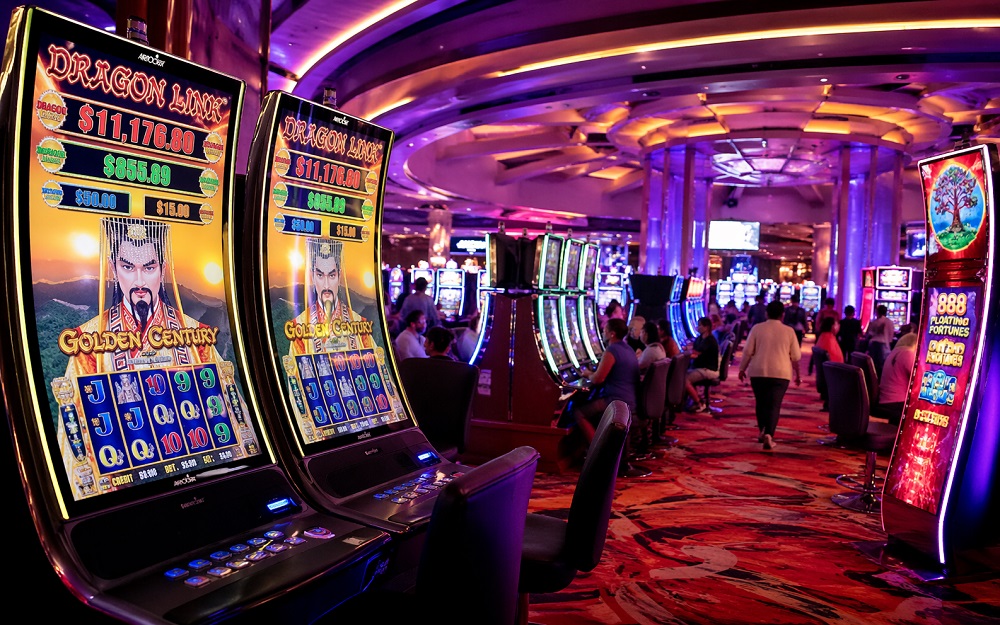
The slot machine has come a long way since its humble origins in the late nineteenth century. The original mechanical devices relied entirely on internal clockwork, springs, levers, and physical reels to determine a player’s fortune. Today, stepping onto a modern casino floor or opening a digital casino application reveals a completely different reality.
Modern slot machines are highly advanced technological marvels. They combine specialized computer hardware, complex mathematical algorithms, high-definition multimedia engines, and secure network infrastructure. The physical cabinet that looks like an old-school mechanical slot is essentially a specialized industrial computer wrapped in an immersive sensory package. Understanding the underlying technology reveals how these machines deliver fair outcomes, maintain absolute security, and keep players engaged in a highly competitive digital entertainment market.
The Core Engine: The Random Number Generator
The most important component of any modern slot machine is the Random Number Generator, specifically a Pseudo-Random Number Generator. This microchip or software algorithm serves as the brain of the game, ensuring that every single spin is entirely unbiased, unpredictable, and fair.
The Illusion of Time and Mechanical Motion
A common misconception among casual players is that the outcome of a game is determined while the virtual or physical reels are spinning on the screen. The reality is that the entire outcome is decided the exact millisecond a player presses the spin button or pulls the lever.
The Random Number Generator operates continuously, even when the slot machine sits completely idle. It generates long sequences of numbers, often thousands of times per second. Each specific number or combination corresponds directly to a precise stop position on the game’s virtual reels.
When a player initiates a spin, the CPU instantly grabs the most recent number sequence generated by the software. The system then maps that number to the corresponding reel symbols. The subsequent spinning animation, whether displayed on a high-definition monitor or executed by physical spinning reels driven by specialized stepper motors, is purely a visual show designed to build anticipation and entertainment value.
Total Independence of Outcomes
The mathematical design of the Random Number Generator ensures that individual spins are completely independent events. The software maintains zero memory of past events. It does not know if a machine just paid out a massive progressive jackpot or if it has gone hours without a single winning combination. Terms like a hot machine or a cold machine have no basis in the actual engineering of the platform. The statistical probability of hitting a winning pattern remains exactly the same on every single spin.
The Mathematics Matrix: RTP and Volatility
Every modern slot machine operates on a meticulous mathematical blueprint that balances player engagement with predictable revenue generation for the casino operator. This blueprint is constructed using two primary metrics: Return to Player and volatility.
-
Return to Player (RTP): This is the statistical percentage of all wagered money that a slot machine is programmed to pay back to players over an extended lifecycle. For instance, a machine with a certified ninety-six percent RTP will theoretically return ninety-six dollars for every one hundred dollars wagered. However, this metric is calculated over millions of simulated spins, meaning individual short-term sessions can vary wildly from the statistical average.
-
Volatility Metrics: Volatility defines the internal risk structure of the slot game. A high-volatility game features infrequent payouts, but the winning combinations tend to yield massive rewards or complex bonus entry sequences. Conversely, a low-volatility game awards frequent, smaller wins, providing a steady stream of positive feedback that extends a casual player’s time on the device.
Cabinet Architecture and Physical Hardware Ecosystems
The physical presentation of a modern land-based slot machine requires robust industrial hardware capable of running twenty-four hours a day under intense usage conditions.
Advanced Processing Units
At the base of the machine sits a secured computer tower featuring high-end Central Processing Units paired with dedicated Graphics Processing Units. The GPU is responsible for rendering high-definition three-dimensional animations, complex particle effects, and multi-layered bonus screens that rival modern home video game consoles.
Immersive Audio and Ergonomic Environments
Sound design is highly critical for player retention. Modern cabinets feature localized sound enclosures, often embedding multiple speakers directly into the player’s headrest at the top of the chair. This acoustic setup isolates the player from the ambient noise of the casino floor, delivering targeted auditory cues, deep bass pulses, and triumphant musical transitions that match the on-screen action.
Additionally, the physical buttons have transitioned from basic mechanical switches to tactile dynamic display panels. These virtual touch buttons utilize advanced haptic feedback engines, providing localized vibrations that confirm user inputs and heighten tactile immersion.
Infrastructure Security and Regulatory Auditing
Because slot machines process massive financial transactions daily, their infrastructure is built to meet military-grade security expectations and strict regulatory standards.
Hardware Isolation and Non-Volatile Memory
The critical game software, math models, and Random Number Generator source code are securely locked inside tamper-evident physical enclosures within the machine chassis. Accessing these components requires specialized physical keys and electronic authorizations, which immediately trigger silent alarms across the casino management network.
Furthermore, the machine stores all accounting data, active credit balances, and recent spin histories on Non-Volatile Random Access Memory. If the casino experiences a sudden power failure or a network disconnect, this non-volatile memory ensures that the exact state of the game is perfectly preserved, preventing data loss and protecting players from financial disputes.
Rigorous Laboratory Testing
Before any slot machine can be deployed onto a live casino floor or integrated into an online gaming application, the complete software build must pass evaluations by independent compliance laboratories, such as Gaming Laboratories International. These regulatory bodies simulate millions of spins, audit the source code line by line, and perform aggressive penetration testing to guarantee the software complies with strict jurisdictional fairness and anti-tampering laws.
Emerging Technological Paradigms: AI and Blockchain
As technology continues to advance, slot machine development is adopting cutting-edge features from the broader software development sector.
AI Integration
Developers now use artificial intelligence engines to analyze anonymized player behavioral data in real time. While AI never alters the certified core probabilities or certified mathematical models of the game, it allows operators to customize surrounding systems. For example, recommendation engines can dynamically suggest alternative games with similar visual themes or volatility profiles that match a user’s current engagement preferences.
Distributed Ledgers
In the online slot gaming ecosystem, blockchain integration is introducing provably fair mechanics. By recording the mathematical seed data of spins onto an immutable distributed ledger, platforms allow players to verify the absolute randomness and integrity of their gaming outcomes independently, introducing an unprecedented layer of operational transparency.
Frequently Asked Questions
What happens if a slot machine software crashes midway through a spin?
The platform immediately enters a secured tilt state, freezing the display and halting gameplay. Because all critical session data, active player balances, and the predetermined spin outcome from the RNG are constantly recorded in secure non-volatile memory, casino technicians can reboot the system and perfectly restore the exact game state that existed right before the crash occurred.
How do stepper motors function in modern physical slot machines?
In machines that feature physical, tactile reels rather than video screens, developers utilize electromechanical stepper motors. Unlike standard motors that spin continuously, stepper motors move in precise, fractional increments controlled by digital electrical pulses from the central CPU. This allows the computer chip to halt the physical reel precisely on the symbol chosen by the RNG.
Can a casino operator adjust the payout percentage of a slot machine remotely?
Casino operators cannot arbitrarily change a machine’s payout settings on a whim. While modern server-based gaming architecture allows for remote configuration changes, the process is heavily regulated. Any modification to a game’s RTP requires the machine to be completely idle for a mandatory minimum timeframe with no active player sessions, and the change must be logged on official regulatory servers.
Why do some slot machines require physical door sensors?
Slot machine cabinets are equipped with multiple electronic micro-switches that monitor the status of every access panel, including the main door, the logic box, and the cash storage vault. If any of these doors are opened, even by a fraction of an inch, the machine instantly disables all game functions, sounds a local alert, and transmits an emergency signal to the casino security department.
What is the purpose of the tracking card reader on a slot machine console?
The card reader connects the individual slot terminal to the centralized Casino Management System. When a player inserts their loyalty card, the network tracks their aggregate wagering volume, play speed, and session duration. This data allows the system to calculate promotional reward points and deliver personalized marketing incentives directly to the user interface.
How does the bill validator distinguish between real currency and counterfeit notes?
Modern bill acceptors deploy an array of optical sensors, infrared detectors, magnetic stripe readers, and ultraviolet scanners. As a bill passes through the mechanism, the unit analyzes the note’s precise physical dimensions, optical density, paper composition, and embedded security threads, comparing the readings against official currency profiles within milliseconds to prevent fraudulent inputs.