

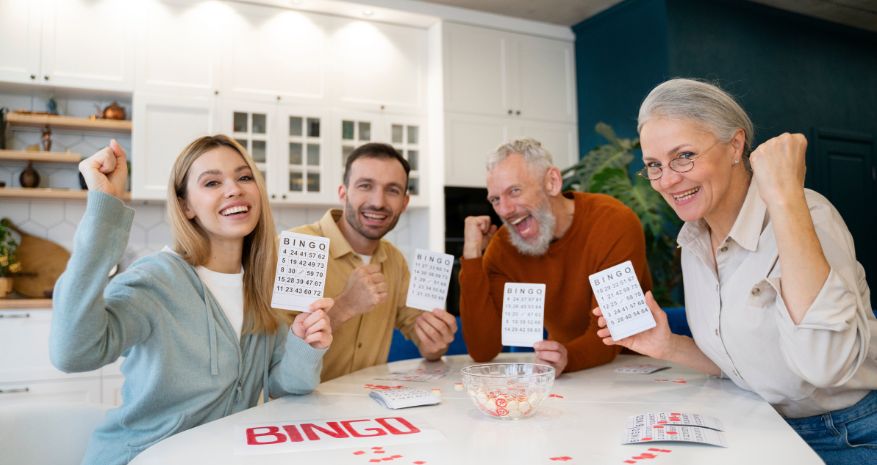
Bingo has undergone a massive transformation over the past few decades. Once confined to smoky community centers, church basements, and traditional brick-and-mortar halls, the game has successfully migrated to the digital realm. However, when developers first digitized bingo, skeptics wondered if the game would lose its core appeal. Traditional bingo was never purely about the numbers called or the prizes won; it was inherently a social ritual.
Modern online bingo platforms have recognized this fundamental truth. Rather than reducing the game to a sterile, automated math exercise, successful digital platforms have built extensive social ecosystems around the game. The survival and booming popularity of modern bingo depend directly on the strength of these virtual communities. By leveraging chat features, social elements, host interactions, and shared rewards, digital spaces have replicated—and in some cases, enhanced—the communal spirit of the classic bingo hall.
The Transformation from Physical Halls to Digital Spaces
In a traditional bingo hall, the environment was highly interactive. Players sat at long tables, shared snacks, exchanged lucky charms, and chatted between games. The caller was a central figure, providing entertainment and setting the room’s tone. When the game shifted online in the late 1990s and early 2000s, early iterations focused heavily on the mechanics of the game. Random number generators replaced the physical cage of balls, and electronic cards replaced paper sheets.
While these technological advancements made the game more accessible, early platforms initially struggled with player retention. The missing link was the human connection. Bingo players did not just want to click buttons; they wanted to share the excitement of a near-miss or celebrate a win with others.
Modern platforms solved this by shifting their development priorities. Today, a premier online bingo site functions as much like a social media platform as it does a gaming portal. The software is designed to handle automated daubing, which frees up the player’s hands and attention. This design choice was deliberate. By automating the tracking of numbers, developers allowed players to focus entirely on the chat rooms, turning a solitary screen experience into a shared event.
Chat Rooms as the Digital Core of the Game
The chat window is the undisputed heart of any modern bingo platform. It is not an afterthought tucked into the corner of the screen; it is the central hub where the community forms its identity.
Within these chat rooms, a unique subculture has developed. Because the game moves quickly, players have created a specialized shorthand to communicate efficiently without missing the action. This lexicon acts as a social bond, making regular players feel like part of an exclusive club.
-
1TG / 2TG: One to go or two to go, indicating how many numbers a player needs to hit a winning pattern.
-
WD / GL: Well done and good luck, used constantly to foster goodwill among competitors.
-
BLNT: Better luck next time, offered as consolation after a close game.
-
WTG: Way to go, shouted virtually when a room member hits a jackpot.
This specialized language lowers the barrier to entry for new players while reinforcing a sense of belonging for veterans. The continuous stream of conversation ensures that even if a player is sitting alone in their living room, they are actively participating in a lively group dynamic.
The Multifaceted Role of Chat Hosts
In the digital space, the traditional bingo caller has evolved into the chat host or chat moderator. These individuals are the unsung heroes of modern bingo platforms. Their responsibilities extend far beyond simply welcoming people to the room.
Chat hosts act as community managers, entertainers, and customer support representatives all at once. They keep the conversation flowing, defuse any tension that might arise, and ensure the environment remains positive and welcoming.
Driving Engagement Through Side Games
To keep energy levels high between main rounds or during slower periods, chat hosts frequently run side games directly within the text chat. These games do not require additional financial investments from the players but offer small rewards like bonus funds, loyalty points, or free tickets. Examples include trivia questions, anagram scrambles, or digital guessing games. These activities keep players engaged with the platform even when they are not actively purchasing cards, shifting the value proposition from pure gambling to comprehensive entertainment.
Personal Connection and Empathy
Regular players often develop strong bonds with specific chat hosts. Hosts remember birthdays, ask about family members, and celebrate personal milestones achieved by community members. This level of personalization turns a corporate gaming site into a familiar neighborhood hangout. When a player logs in, they are greeted by name, instantly validating their presence within the community.
Gamification and Collective Rewards
Modern platforms also use advanced loyalty programs and cooperative gameplay mechanics to reinforce community structures. Instead of focusing solely on individual achievements, many sites now offer features that require group effort or distribute rewards collectively.
Bingo Rooms with Shared Jackpots
One of the most effective community-building tools is the community jackpot. In these specific games, if a single player hits the grand prize, the winnings are split. The victor receives a large percentage, but the remaining pool is distributed among everyone else who bought a ticket for that round. This entirely changes the dynamic of the game. Instead of harboring envy toward the winner, the entire room celebrates the victory because everyone benefits financially.
Team Bingo Tournaments
Many platforms host weekly or monthly team tournaments. Players form groups, choose a team name, and accumulate points based on their collective wins. This setup encourages players to coordinate their playing schedules, motivate each other, and celebrate joint progress up the leaderboards. It transforms bingo from an individual pursuit into a team sport, driving deeper social investment.
Inclusivity and Accessibility across Demographics
The transition to digital platforms has dramatically expanded the demographic profile of the typical bingo player. Traditional halls often skewed toward older generations who had the time to travel to physical venues. Online platforms have removed geographical and physical barriers, opening the door to a much wider audience.
-
Younger Players: The integration of mobile apps and fast-paced chat features has attracted millennials and Gen Z players who view the game as a casual, low-stress way to socialize after work.
-
Parents and Professionals: Individuals with busy schedules or childcare duties can log in for a quick 15-minute session from their phones, enjoying adult conversation without leaving the house.
-
Isolated Individuals: For rural residents or individuals with mobility issues, online bingo communities serve as a vital social lifeline, combatting loneliness by providing reliable, daily human interaction.
By creating a space that accommodates diverse backgrounds, online bingo has democratized the community aspect of the game, making it more inclusive than it ever was in the physical world.
Frequently Asked Questions
How do online bingo platforms prevent toxicity in chat rooms to keep the community safe?
Platforms utilize a combination of automated filtering software and live human moderation. Chat hosts actively monitor conversations in real-time to enforce community guidelines. Words associated with harassment, vulgarity, or bullying are automatically blocked by the system, and repeat offenders face temporary muting or permanent bans from the platform.
Can players interact with each other outside of the active gaming rooms?
Yes, many modern platforms feature dedicated community hubs, forums, and integrated social media groups. Players can join official Facebook groups or platform-specific forums to share recipes, discuss life events, organize meetups, and continue conversations long after the bingo balls have stopped rolling.
Are chat room side games free to play, and what can you win?
Chat room side games are entirely free for any player currently checked into the room. The prizes are typically modest but valuable within the platform ecosystem, such as loyalty points, complimentary tickets for upcoming major draws, or small amounts of bonus cash that can be used to purchase regular game cards.
Do online bingo communities accommodate players who prefer a quiet gaming experience?
Players are under no obligation to participate in the social features. The chat window can easily be minimized, muted, or hidden entirely on most user interfaces. This allows individuals who prefer to focus solely on the strategy or math of the game to play in complete silence without disrupting the experience for others.
How do modern platforms help players maintain healthy boundaries within the community?
Responsible gaming tools are deeply integrated into the community framework. Platforms offer features like self-exclusion, customizable deposit limits, and session timers. Chat hosts are also trained to spot signs of problematic behavior or distress in the chat logs and can gently direct players to support resources if necessary.
Is the chat shorthand universal across all online bingo platforms?
While there are minor regional variations, the core abbreviations like 1TG, WTG, and GL are recognized globally across virtually all English-speaking bingo platforms. New variations sometimes emerge based on regional slang or site-specific themes, but the foundational shorthand remains consistent across the industry.