

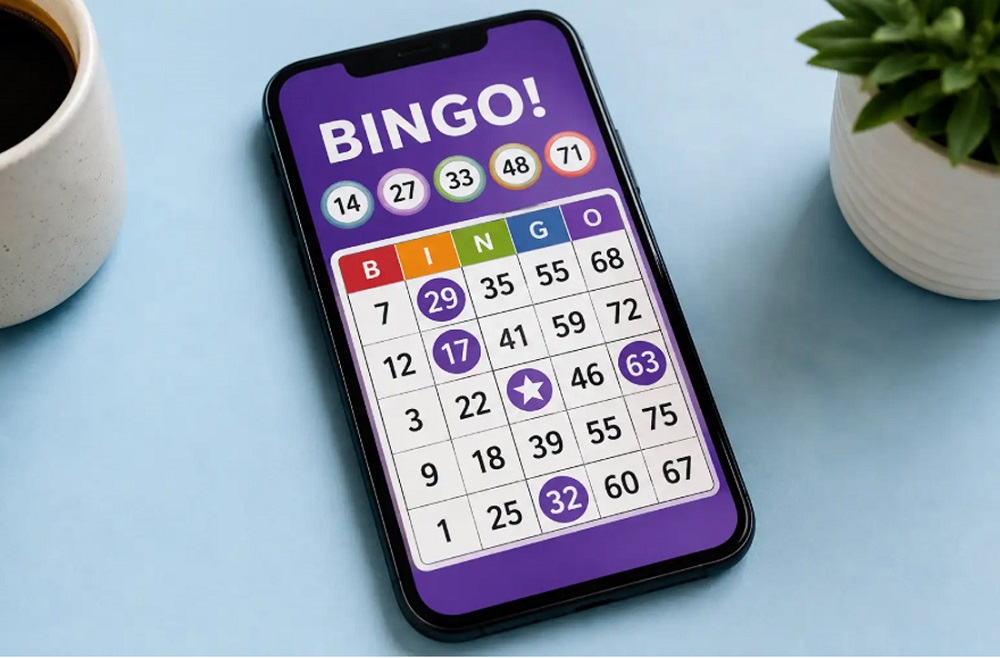
The global gaming landscape has shifted dramatically over the last decade, driven primarily by the rapid evolution of smartphone technology and high speed mobile internet. Among the various sectors undergoing this digital transformation, casual and social casino games have experienced some of the most profound changes. Bingo, a game historically associated with physical halls and desktop computer screens, has successfully reinvented itself for the modern era.
The industry is no longer merely adapting desktop games for smaller screens. Instead, developers are embracing a mobile first philosophy, designing applications from the ground up specifically for smartphones and tablets. This strategic pivot has unlocked massive new audiences, fundamentally altered gameplay mechanics, and established mobile bingo as a dominant force in the casual gaming market.
Understanding the Mobile First Philosophy in Gaming
To appreciate the growth of modern bingo applications, it is essential to understand what mobile first design actually means. In the early days of mobile internet, developers practiced responsive design, which involved taking an existing desktop website or game and shrinking its layout to fit a smaller display. This often resulted in cluttered user interfaces, tiny buttons that were difficult to tap, and slow loading times due to unoptimized assets.
A mobile first approach reverses this workflow. Developers start by analyzing the unique capabilities and limitations of handheld devices. Design teams prioritize thumb accessible navigation, vertical orientation layouts, battery efficiency, and rapid loading sequences.
For bingo, this meant re-imagining how a player interacts with their digital cards. In a desktop setup, a player might comfortably view a dozen cards simultaneously on a widescreen monitor while using a physical mouse. On a smartphone, screen real estate is at a premium. Mobile first design solves this challenge by implementing clever gesture controls, smart zooming features, and automated daubing mechanics that ensure the game remains fluid and enjoyable even on a budget smartphone display.
Key Drivers Behind the Mobile Bingo Boom
The massive migration of players from desktop portals and physical venues to mobile applications is driven by several technological and sociological factors.
On the Go Accessibility and Convenience
The most obvious driver is pure convenience. Traditional bingo required a dedicated evening out at a local hall, while early online bingo required sitting at a desk at home. Mobile applications remove these location constraints entirely. A player can log in and complete a full round of bingo during their morning subway commute, while waiting in line at the grocery store, or during a short break at work. The game fits seamlessly into the micro moments of a user’s daily routine.
Hardware Evolution and Screen Optimization
Modern smartphones feature vibrant displays and powerful processors capable of rendering complex animations and handling real time multiplayer data streams without breaking a sweat. High refresh rate screens make the visual feedback of daubing a number feel incredibly smooth, while advanced haptic engines provide tactile vibrations that mimic the physical sensation of stamping a paper ticket.
The Standard of High Speed Connectivity
The global rollout of advanced mobile networks has eliminated the latency issues that used to plague real time mobile gaming. Players can participate in live, multiplayer rooms with hundreds of other users simultaneously without experiencing annoying disconnects or visual lag. This reliability is crucial for a game where missing a single number call due to a poor connection can mean the difference between winning and losing a jackpot.
Innovations Transforming the Mobile Bingo Experience
The transition to mobile devices has allowed developers to introduce creative features that were never possible in traditional environments or legacy web browsers.
Portrait Mode and Single Handed Play
Early mobile games forced players to rotate their devices horizontally to play. However, user behavior research shows that smartphone owners prefer to hold their devices vertically, using a single hand for the vast majority of daily tasks. Leading mobile bingo applications are now designed exclusively in portrait mode. The interface places the bingo cards in the center, the call numbers at the top, and interactive buttons right within reach of the user’s thumb, maximizing comfort during extended play sessions.
Micro Sessions and Speed Bingo
Traditional bingo variants can take a significant amount of time to resolve, especially if a complex pattern is required to win. Mobile first platforms have popularized new, rapid variants often referred to as speed bingo or flash bingo. These variants use fewer balls, smaller grids, and faster calling intervals, allowing a complete game to finish in under two minutes. This rapid pacing is tailor made for casual mobile users who demand instant entertainment.
Immersive Haptic Feedback and Auditory Cues
Mobile apps leverage the physical components of the phone to heighten excitement. When a player is only one number away from a win, the device might emit a distinct rhythmic vibration. Winning a jackpot can trigger a cascade of sensory feedback, combining triumphant sound design with flashing visual effects and intense haptic pulses that make the digital victory feel tangible.
The Fusion of Social Elements and Mobile Gaming
One of the greatest fears during the early days of digital bingo was the loss of the game’s famous community spirit. Physical halls were social clubs as much as they were gambling venues. Mobile developers have successfully bridged this gap by weaving social features directly into the core user interface.
Modern mobile bingo applications include integrated chat overlays that allow players to send quick messages, pre fabricated text phrases, and custom virtual gifts to other players without covering up their active game cards. Voice chat integration is also becoming increasingly common, allowing groups of friends to create private rooms where they can talk in real time while playing together from different parts of the world.
Furthermore, integration with broader social networks allows players to invite acquaintances, share their biggest wins on their personal feeds, and send free daily energy or tickets to their contacts, turning the application into a viral, self sustaining ecosystem.
Hybrid Mechanics and Gamification
To appeal to a younger demographic raised on video games, mobile bingo apps have heavily adopted gamification techniques. These platforms rarely offer just basic bingo anymore; instead, they embed the core lottery mechanics within broader progression systems.
-
Narrative Progression: Players unlock new virtual cities or historical eras as they level up, with each location offering unique visual themes and specialized rules.
-
Power Ups and Boosters: Mobile variants often feature power up meters that fill as players daub numbers correctly. Once activated, these boosts can reveal upcoming numbers, grant double experience points, or automatically fill random spots on a card.
-
Collectible Systems: Completing matches allows players to earn random puzzle pieces or virtual items. Filling a themed collection album yields substantial in game rewards, encouraging long term loyalty.
Frequently Asked Questions
Do mobile bingo apps drain a smartphone battery quickly?
Modern mobile bingo applications are highly optimized, but real time multiplayer features and vibrant visual animations do consume power. To manage battery life, most apps include a settings menu where players can lower the graphical fidelity, turn off non essential animations, or disable the device haptic feedback system.
How do mobile bingo games handle incoming phone calls or text messages?
Mobile first applications are engineered to handle daily device interruptions gracefully. If a phone call arrives mid game, the application automatically shifts to the background. Because most mobile variants utilize automated daubing options, the system will continue to mark the numbers on your card accurately while you take the call, ensuring you do not lose out on a potential win.
Can I use the same account across both my smartphone and my tablet?
Yes, the vast majority of prominent mobile bingo platforms utilize cloud based profile systems. By linking your gaming account to an email address, Apple ID, or social media profile, your progress, balances, and unlocked achievements will sync seamlessly across multiple mobile platforms.
What happens if my mobile internet connection drops during a live round?
If your connection drops briefly, the server hosting the game continues to run your tickets automatically. If you reconnect before the round ends, you will return to the game screen with your cards fully updated. If the disconnection lasts until the end of the round, any winnings you secured will be automatically credited to your account balance.
Are mobile bingo games safe to play on public wireless networks?
While reputable gaming operators encrypt all data transmissions between your device and their servers, public wireless networks carry inherent security risks. If you are playing with real money or inputting financial data, it is always recommended to use your mobile carrier’s cellular data connection or a virtual private network.
Why do some mobile bingo apps require location services to be turned on?
For platforms that offer real money gaming or cash prizes, operators are legally required to verify the physical location of the player to comply with local state and federal gambling regulations. The app utilizes your device’s global positioning system data to ensure you are playing from a jurisdiction where the game is legally permitted.